An Applied Research Philosophy
EEA's research strategy follows a deliberately narrow focus. We have chosen four thematic priorities that match the engineering challenges Greece will face over the next decade — and on which we believe a small, agile institute can do work that matters. Faculty are recruited primarily on the strength of their fit with one of these priorities.
All EEA research is carried out under our open-publication-by-default policy: results are published in peer-reviewed venues and, wherever possible, made openly available through the European Open Science Cloud and our institutional repository.
Research Centres
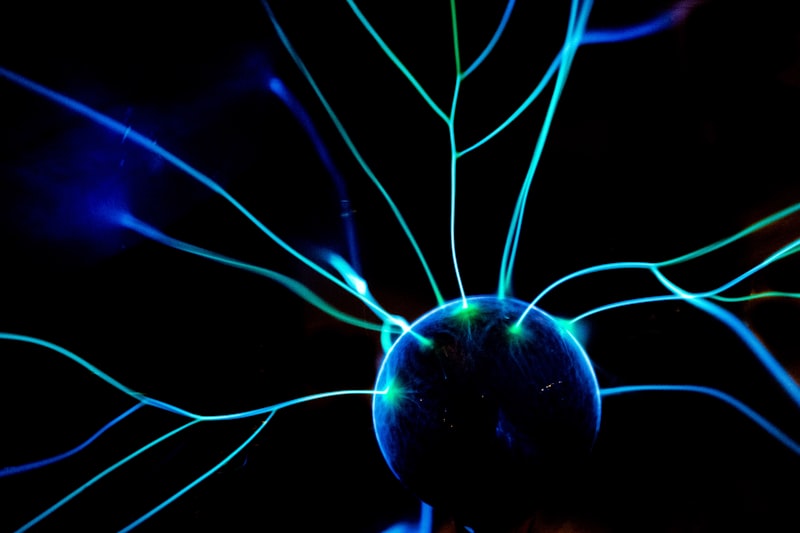
Centre for Earthquake-Resilient Infrastructure (CERI)
A joint research unit with the Earthquake Planning & Protection Organisation (OASP). Focuses on structural retrofit techniques for the existing Greek building stock, seismic isolation systems, and rapid post-earthquake damage assessment.
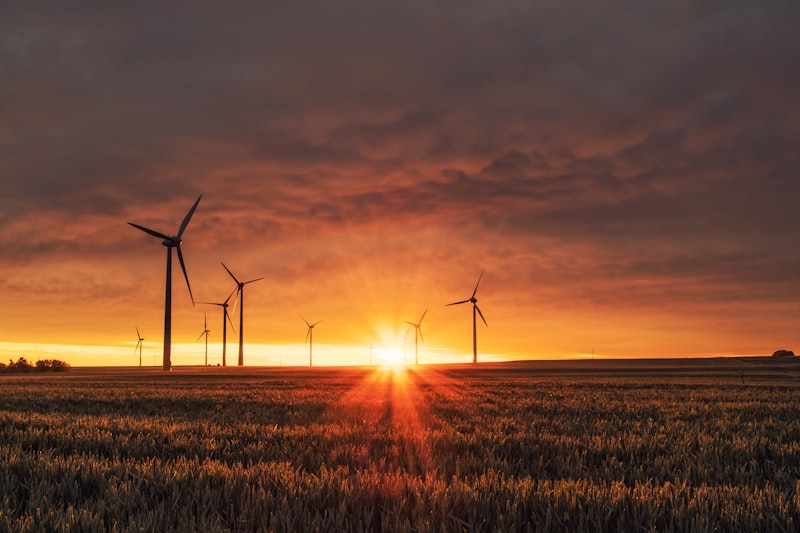
Aegean Marine Energy Lab (AMEL)
Research on wave and tidal energy converters adapted to the relatively low-energy Aegean wave climate, hybrid offshore PV-aquaculture platforms, and the integration of marine energy into Greek island grids.
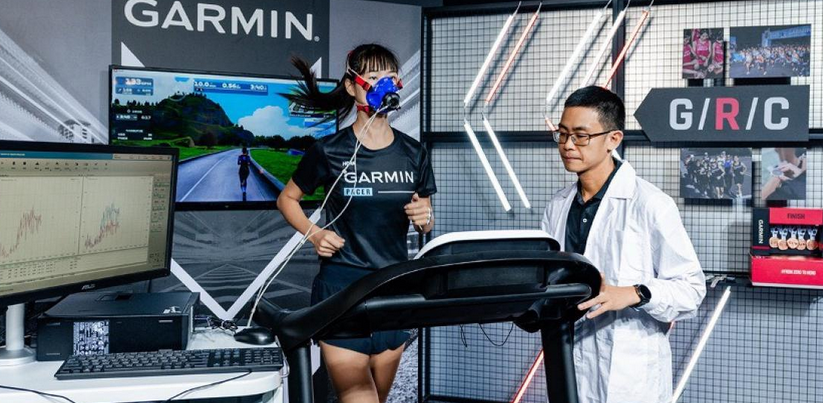
Institute for Trustworthy AI Systems (ITAS)
An engineering-led approach to AI safety and verification. Current projects include formal verification of neural network controllers for autonomous shipping and a multilingual benchmark suite for low-resource European languages.

Laboratory for Mediterranean Built Heritage (LIMBH)
Combines structural conservation engineering, traditional materials science, and 3D documentation. Field partnerships include the Ephorate of Antiquities of East Attica and the Acropolis Restoration Service.
Current Major Projects
| Project | Funder | Period | EEA Lead |
|---|---|---|---|
| SEISMORAPID — UAV-based rapid damage assessment for post-earthquake building triage | HFRI | 2026 – 2028 | CERI |
| AEGEANWAVE — Low-energy wave climate converter prototype for the Cyclades | Horizon Europe | 2026 – 2029 | AMEL |
| SAFEPILOT — Formal verification of autonomous coastal vessel controllers | EU Maritime Safety Agency | 2026 – 2027 | ITAS |
| STONEAGE — Database of historic Mediterranean masonry behaviour under cyclic loading | Horizon Europe (MSCA) | 2026 – 2028 | LIMBH |
| GREENGRID-PEANIA — Local DC micro-grid prototype on the EEA campus | HFRI + HEDNO | 2026 – 2027 | Dept. of Electrical Eng. |
Industry Partnerships
EEA maintains an active network of 24 industry partners. Partnership comes in three forms: a curriculum advisory seat, internship placements (every EEA undergraduate is guaranteed at least one paid summer placement), and joint applied-research projects.
Current partners include: METKA, Mytilineos, HEDNO, OTE Group, Helleniq Energy, Hellenic Aerospace Industry, Beat (Taxibeat), Workable, BlueGround, Pamantis, Ergose, Klepsydra Technologies, Athens International Airport, Stergiopoulos & Associates, Asprofos Engineering, Aegean Marine Petroleum, Mantis Business Innovation, ELPE, ENEL Green Power Hellas, TERNA Energy, GEK TERNA, Pegasus Shipping, NJV Athens Plaza Hotels (sustainability lab), and the National Observatory of Athens (geophysics).
Publishing & Open Science
Faculty are evaluated on research outputs that are externally verifiable. We track three primary indicators: peer-reviewed publications, externally funded grant income, and patents / industrial transfer activity. All publications are deposited in the EEA institutional repository within thirty days of acceptance.
EEA's first peer-reviewed publications are scheduled for late 2026; in our six-month track record we have already secured three Horizon Europe grants and one HFRI grant, representing a combined €4.2 M of research income.